Modern businesses rely heavily on mobile devices to gather information, automate processes and power smart operations. However, managing an ever-growing array of devices from multiple locations could quickly become overwhelming. The operation of devices requires continuous attention, expert knowledge as well as security compliance. This includes software updates, system monitoring and performance optimization. This is why a structured managed service approach transforms complex into simplicity.
Companies begin searching for Raspberry device software for free to lower the initial cost. While free software offers remote access and a basic level of monitoring, they don’t provide the degree of control required for enterprise-grade deployments. As networks of devices grow enterprises require more than dashboards and manual controls. They need an integrated system that handles provisioning and security hardening and also monitoring performance and reporting on compliance.
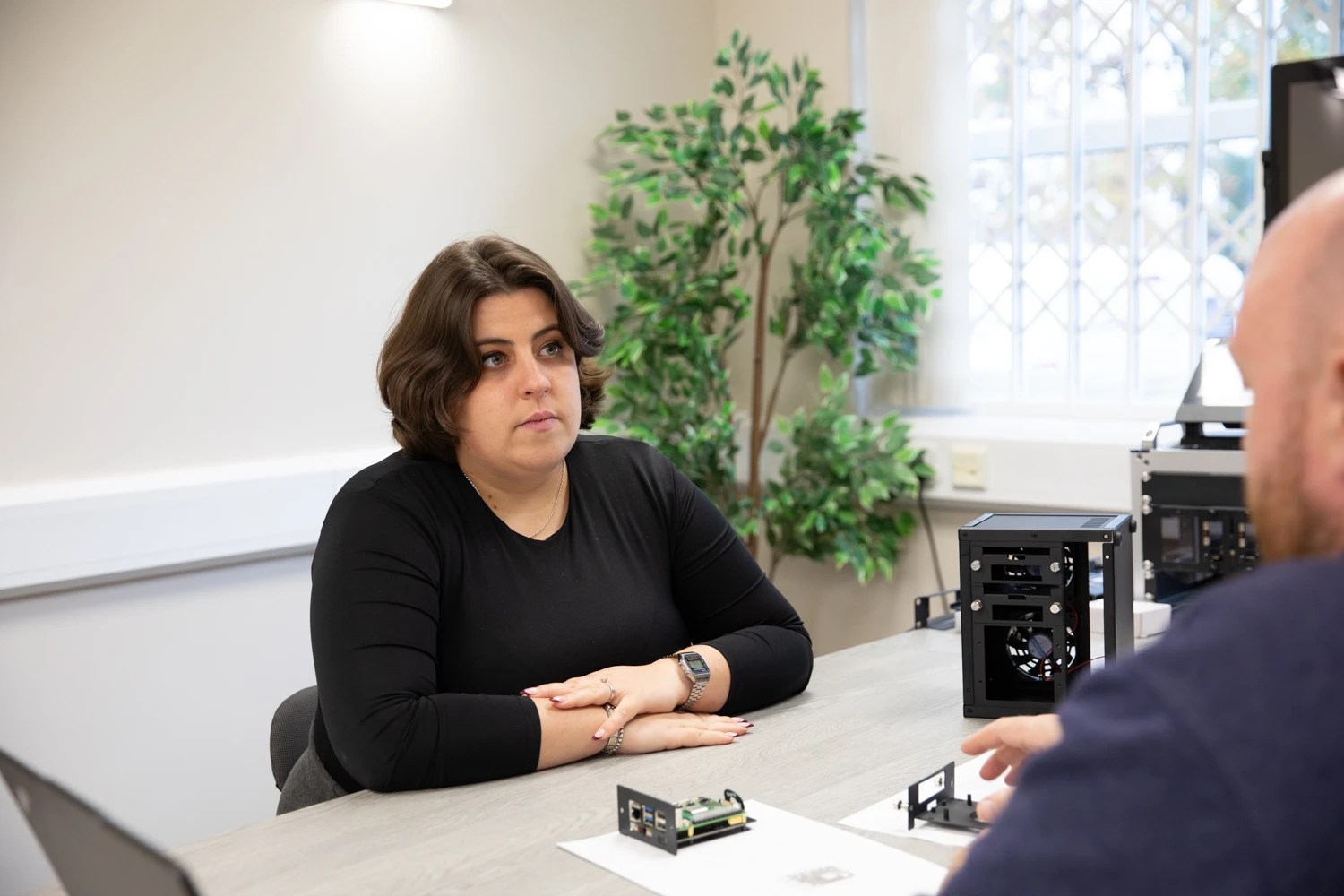
The internal team is relieved of the burden of daily operations by a fully managed infrastructure. Organizations can focus on innovation and growth instead of patching, troubleshooting or responding to downtimes. Every device is configured to be deployed, maintained, and accessed within a single framework to ensure continuity and security. This operation model minimizes the time to downtime and eliminates security risks caused by misconfigurations or neglected updates.
A Partnership Model Designed to Scale
The most successful IoT ecosystems don’t exist in isolation. They require strategic planning and an intelligent design. By working with an Raspberry Pi design expert, you can be sure that the choice of hardware, architecture and software are in line with your goals for operation. Rather than treating deployment as a single-time event This partnership strategy provides a foundation which adapts to the changing needs of business.
Every managed service is tailored to the client’s environment including hardware integration, device management platforms, as well as technical support within a single operational agreement. This approach unifies the work of providers and streamlines communication. Business owners can now have identified technical contacts, clearly agreed service level agreements and transparent reports that keep all the stakeholders well-informed.
To maintain uniformity of devices throughout the world, process of provisioning and configuring is made standard. Each device is constructed after which it is tested and registered before deployment to ensure continuity from the start of. Continuous telemetry provides real-time information about the health of your device and stability of apps. Engineers can spot any anomalies and avoid system failures before they become a problem.
Continuous Management to ensure operational excellence
The most important factor to ensure stabilization of an IoT environment is proactive maintenance instead of reactive troubleshooting. Updates and patches are supervised to ensure that applications and operating systems remain stable and secure. To ensure uninterrupted service and to maintain the availability of your system, updates are rigorously test prior to their deployment.
Operational workflows are also designed to comply with the requirements of compliance. The reporting mechanisms are in line with the requirements of regulatory agencies, regardless of whether or not organizations have to conform to ISO standards or SOC2 frameworks. This structure reduces the stress of audits, and increases cybersecurity posture.
Performance optimization and lifecycle planning further extend the value of managed services. Regular system assessments identify opportunities for hardware upgrades and energy efficiency improvements and workload balance. Infrastructure isn’t merely a reactive measure, but rather a strategic one that adapts to organizational development.
Seamless Integration Cloud and Edge Technologies
Modern deployments usually require tight integration between the edge hardware and cloud-based ecosystems. Expert Azure IoT consulting helps businesses connect devices securely to cloud platforms while optimizing data pipelines, analytics workflows, and automation capabilities. This synergy enables better decision-making and improved efficiency and agility in operations.
Professional IoT consulting also ensures that monitoring platforms and data governance frameworks and security protocols operate in harmony. Engineers are on-call 24/7 to keep track of the system’s performance and respond to anomalies in real time prior to them affecting operations. The capability to expand support options allows companies to expand in confidence, knowing the technical know-how of engineers will grow along with the device fleet.
Simple: the objective is for cutting-edge systems to be seamless. Scaler PI makes edge technology easier to adopt through a combination of practical hardware expertise with the latest cloud technology and creating a more efficient environment in which data, devices and operations are able to work seamlessly.
Manage Device Infrastructure Smarter
Managed services are one point of responsibility in the design, hardware and monitoring. Predictable pricing models eliminate budgeting delays, while regular monitoring and automated updates minimize the risk of operating. Businesses gain peace of mind knowing that their infrastructure is secure, compliant, and always performing at its best.
The demand for robust operational frameworks is rising as IoT ecosystems expand. Managed services will ensure that devices networks are secure, efficient and future-ready. This allows organizations to create new products and services without being hindered by the management of infrastructure.