Imagine how much planning is involved in a park. Landscape architects study pedestrian circulation, accessibility, drainage and vegetation, parking, lighting, playground layout, and how different groups will be able to share the space. Although it’s often the most utilized construction on the property it is possible to build the structure off the shelf.
A restroom deserves more consideration. It must be equipped with sanitation or plumbing requirements. It also needs to comply with the standards for accessibility, security and maintenance requirements, as well as comply with the building codes. It must be built to withstand the weather for long periods of time and heavy use by the public.
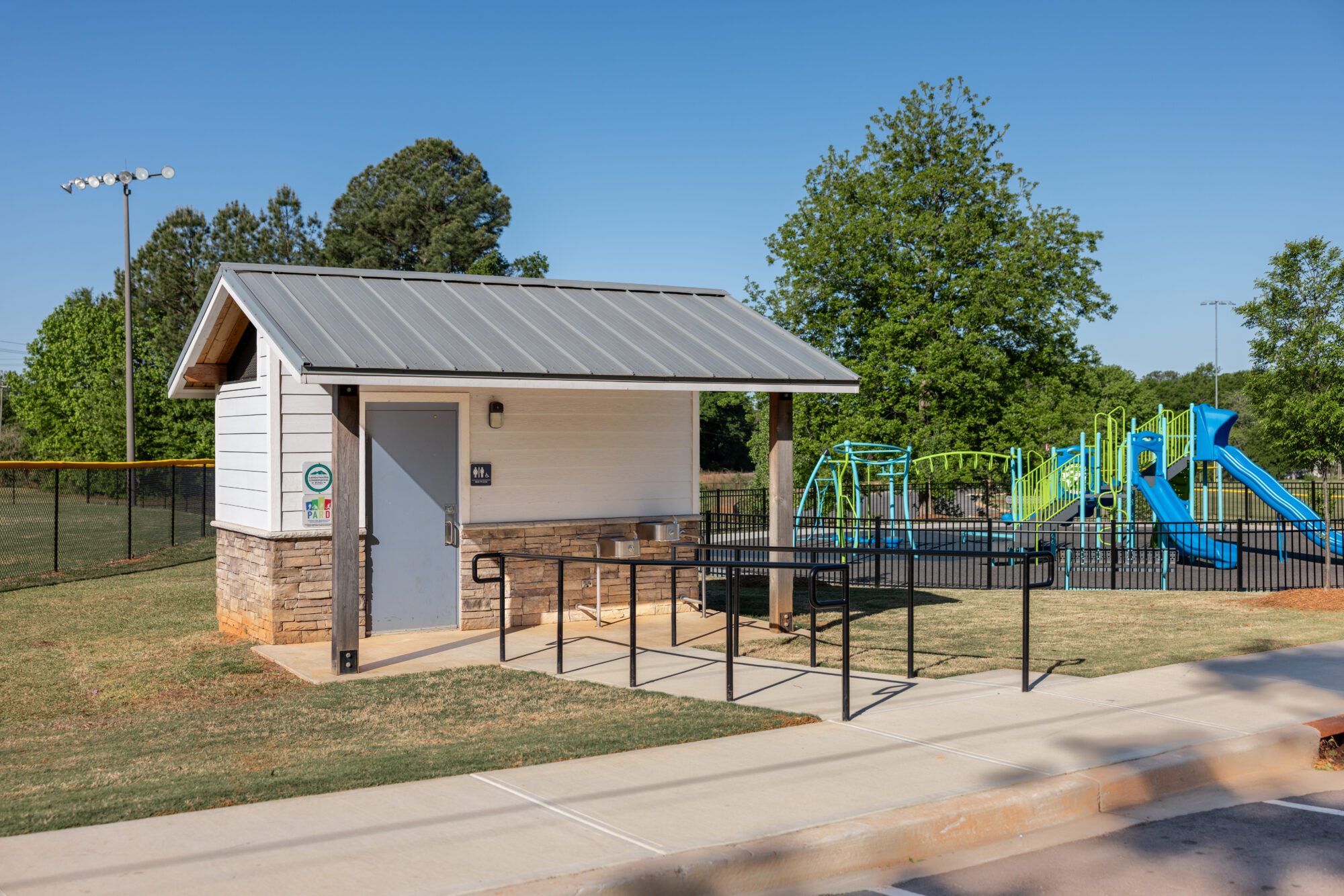
Image credit: romtec.com
Romtec’s method allows bathroom design to be part of the overall planning process for the site rather than being an added-on option.
Prefabrication Doesn’t Need to Mean Identical Buildings
Prefabricated park restrooms may imply an insufficient range of standard structures. A kit-based model can be used differently.
Romtec creates custom designs, offers the engineering documents and the building materials required for them, and also drawings and specifications. Landscape architects can pick the architectural designs and materials which are most appropriate for their specific project. Romtec can provide expertise on codes, ADA requirements and pricing.
If a municipality is renovating an existing community park dating back to the 1800s, they may be seeking an entirely different style than the recreation department building a modern sports facility. Both are able to benefit from a well-organized building supply procedure without having the design identical.
City Streets Are A Different Design Simple
Restrooms installed in dense urban environments have their own operating realities. They are likely to be surrounded by constant pedestrian traffic and need to address concerns surrounding vandalism, the lingering of odors, safety as well as frequent cleaning.
Romtec’s sidewalk toilets are designed to be visible from the outside, allowing natural surveillance. They also preserve the functionality of a public restroom. Vandal-resistant and low-maintenance components are particularly relevant here because repeated repairs can become an operational burden for public entities.
It’s not just about create a more robust restroom. The layout, materials and surrounding environment should work in harmony to make the bathroom simpler to manage.
Sometimes the Most Important Question Is Underground
Before deciding on the design of a bathroom, designers must determine the existing infrastructure.
In a developed city park, water, electricity and sanitary sewers are conveniently connected. If you decide to extend these utilities to a remote campsite or trailhead this could result in the most expensive cost.
For suitable locations, vault toilets provide a waterless alternative. Romtec supplies the necessary components for these toilets including a one-piece toilet riser made of polyethylene. It’s simple to maintain and is chemical resistant. It also deters the growth of bacteria. It can be put in either new or existing vault toilet facilities.
Design for those arriving after Closing Time
Visitors are only exposed to bathrooms for just only a few minutes. Maintenance workers have been using the layout for years.
This reorientation of the perspective is crucial. It is difficult for surfaces to wash, components that are susceptible to damage, and materials that are not suited for repeated cleaning can transform small design choices into costly recurring costs.
Durability and serviceability should be considered in the early stages of design, alongside costs and appearance. Sustainable materials, energy-efficient systems vandal-resistant fixtures sensible maintenance access can all affect the building’s long-term value.
A Small Building can be a part of the landscape
It’s not necessary to look as if it’s been thrown together, but it must not appear to be an accident.
Romtec’s customized approach allows designers and public agencies to link restrooms with other architectural elements such as pavilions, shelters, and pools. In the same way, practical requirements such as ADA accessibility sanitation, code compliance and durability as well as maintenance are still at the forefront of the project.
When those considerations are addressed together, the final product isn’t just an area to put toilets. It’s an element of public infrastructure that is designed to meet the needs of the particular community and the environment.