A garden that is productive doesn’t necessarily begin with expensive equipment or a beautifully laid out property. It usually begins with someone planting a few seeds, observing what happens and making better choices the following season.
The Sproutstead is a resource for people who wish to learn how to grow their own food, improve the soil they work with, preserve what harvests, and build a sustainable self-sufficiency system without having to learn technical language.
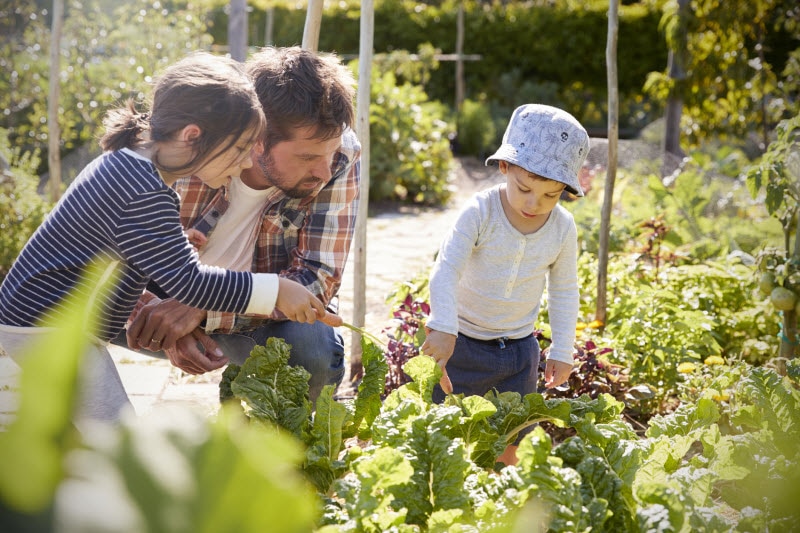
Each garden has specific conditions
One reason that gardening tips could be frustrating is that gardens can’t be interchangeable. A tomato planted in a sunny garden in one area of the world may develop differently from a similar variety with heavy soil and shorter growing season in another.
Successful gardening and homesteading therefore involves more than following instructions. Knowing the environment in the region you live in is crucial for gardening.
The Sproutstead focuses on explaining these aspects to help readers adapt gardening information for their home’s needs rather than attempting to recreate the perfect garden of someone else’s.
Under the surface, vegetable gardening starts
The plants that are easily visible catch the eye, but a lot of success in a garden can be determined by what’s beneath the surface.
A healthy soil balance is essential for drainage, moisture retention and nutrients. Composting improves soil over time while mulching preserves moisture and controls weeds. Making sure to pay attention to these basics will make gardening for vegetables easier because healthier growing conditions give plants a stronger foundation from the start.
It is also crucial to plan. The efficiency with which gardeners can make the most of a small space is dependent on the spacing between plants as well as the timing of crop growth as well as the companion plants and the succession of seasons.
Tomatillos is a good example of paying attention
If you ask ten gardeners about tomatoes and you’ll likely be told a number of different stories. They are among the most common crops in home gardens and show the way that different environments for gardening can collaborate.
Anyone looking to learn how to grow tomatoes should look beyond plant depth and fertilizer schedules. Tomatoes require adequate sunlight, constant watering, suitable ground as well as adequate spacing and support during their maturation. The choice of the variety is crucial because conditions of their growth, the available space, and intended uses can affect which tomato is best.
If a plant has abundant foliage but little fruit, for instance, adding more fertilizer may not solve the problem. It could be because of excessive nitrogen, low temperatures, lack of sunlight or poor pollination. The whole plant’s observation provides better clues than treating every sign in the same way.
Harvesting is just one part of the story
The process of growing twenty pounds of vegetables is less satisfying when the majority of them spoil before they’re consumed. After harvest, a thoughtful approach to home-growing will consider the whole process.
Canning or freezing, drying, and sharing excess produce can boost the value of what you cultivate. You can also save seeds to use later or compost any scraps that are unavoidable. Backyard chickens are a great way to combine with a variety of herbs, fruit trees and composting to form a family-friendly system.
It’s not essential to start every single homesteading strategy at once. The first step to progress is learning how ways to grow lettuce or enhance the compost pile or even preserve the first tomato crop you grew at home.
Gardening can be made easier with the right information
Even the most thorough gardening advice does not guarantee the perfect plant. Pests, weather, and seed failures can vary from region region.
The Sproutstead considers these facts as a part of learning rather than as an exclusive feature. By linking topics like soil, vegetable, seed starting, pests, preservation backyard chickens and self-sufficiency, readers will gradually learn not just what to do in the garden, but also why it is successful.
It is best to build a productive garden similar to how plants grow: seasonalally, gradually and from a firm base.
Tomatoes From the Ground Up: Building Strong Plants Before the First Fruit Appears
A garden that is productive doesn’t necessarily begin with expensive equipment or a beautifully laid out property. It usually begins with someone planting a few seeds, observing what happens and making better choices the following season.
The Sproutstead is a resource for people who wish to learn how to grow their own food, improve the soil they work with, preserve what harvests, and build a sustainable self-sufficiency system without having to learn technical language.
Each garden has specific conditions
One reason that gardening tips could be frustrating is that gardens can’t be interchangeable. A tomato planted in a sunny garden in one area of the world may develop differently from a similar variety with heavy soil and shorter growing season in another.
Successful gardening and homesteading therefore involves more than following instructions. Knowing the environment in the region you live in is crucial for gardening.
The Sproutstead focuses on explaining these aspects to help readers adapt gardening information for their home’s needs rather than attempting to recreate the perfect garden of someone else’s.
Under the surface, vegetable gardening starts
The plants that are easily visible catch the eye, but a lot of success in a garden can be determined by what’s beneath the surface.
A healthy soil balance is essential for drainage, moisture retention and nutrients. Composting improves soil over time while mulching preserves moisture and controls weeds. Making sure to pay attention to these basics will make gardening for vegetables easier because healthier growing conditions give plants a stronger foundation from the start.
It is also crucial to plan. The efficiency with which gardeners can make the most of a small space is dependent on the spacing between plants as well as the timing of crop growth as well as the companion plants and the succession of seasons.
Tomatillos is a good example of paying attention
If you ask ten gardeners about tomatoes and you’ll likely be told a number of different stories. They are among the most common crops in home gardens and show the way that different environments for gardening can collaborate.
Anyone looking to learn how to grow tomatoes should look beyond plant depth and fertilizer schedules. Tomatoes require adequate sunlight, constant watering, suitable ground as well as adequate spacing and support during their maturation. The choice of the variety is crucial because conditions of their growth, the available space, and intended uses can affect which tomato is best.
If a plant has abundant foliage but little fruit, for instance, adding more fertilizer may not solve the problem. It could be because of excessive nitrogen, low temperatures, lack of sunlight or poor pollination. The whole plant’s observation provides better clues than treating every sign in the same way.
Harvesting is just one part of the story
The process of growing twenty pounds of vegetables is less satisfying when the majority of them spoil before they’re consumed. After harvest, a thoughtful approach to home-growing will consider the whole process.
Canning or freezing, drying, and sharing excess produce can boost the value of what you cultivate. You can also save seeds to use later or compost any scraps that are unavoidable. Backyard chickens are a great way to combine with a variety of herbs, fruit trees and composting to form a family-friendly system.
It’s not essential to start every single homesteading strategy at once. The first step to progress is learning how ways to grow lettuce or enhance the compost pile or even preserve the first tomato crop you grew at home.
Gardening can be made easier with the right information
Even the most thorough gardening advice does not guarantee the perfect plant. Pests, weather, and seed failures can vary from region region.
The Sproutstead considers these facts as a part of learning rather than as an exclusive feature. By linking topics like soil, vegetable, seed starting, pests, preservation backyard chickens and self-sufficiency, readers will gradually learn not just what to do in the garden, but also why it is successful.
It is best to build a productive garden similar to how plants grow: seasonalally, gradually and from a firm base.
Recent Posts
Tomatoes From the Ground Up: Building Strong Plants Before the First Fruit Appears
Read More »Designing for the Worst Hour, Not the Average Day: Pump Station Capacity Planning
Read More »Turning Archived Bank Statements Into Usable Accounting Data
Read More »